

Prefer to listen? Use the audio player below to hear us read this lesson instead of reading it yourself.
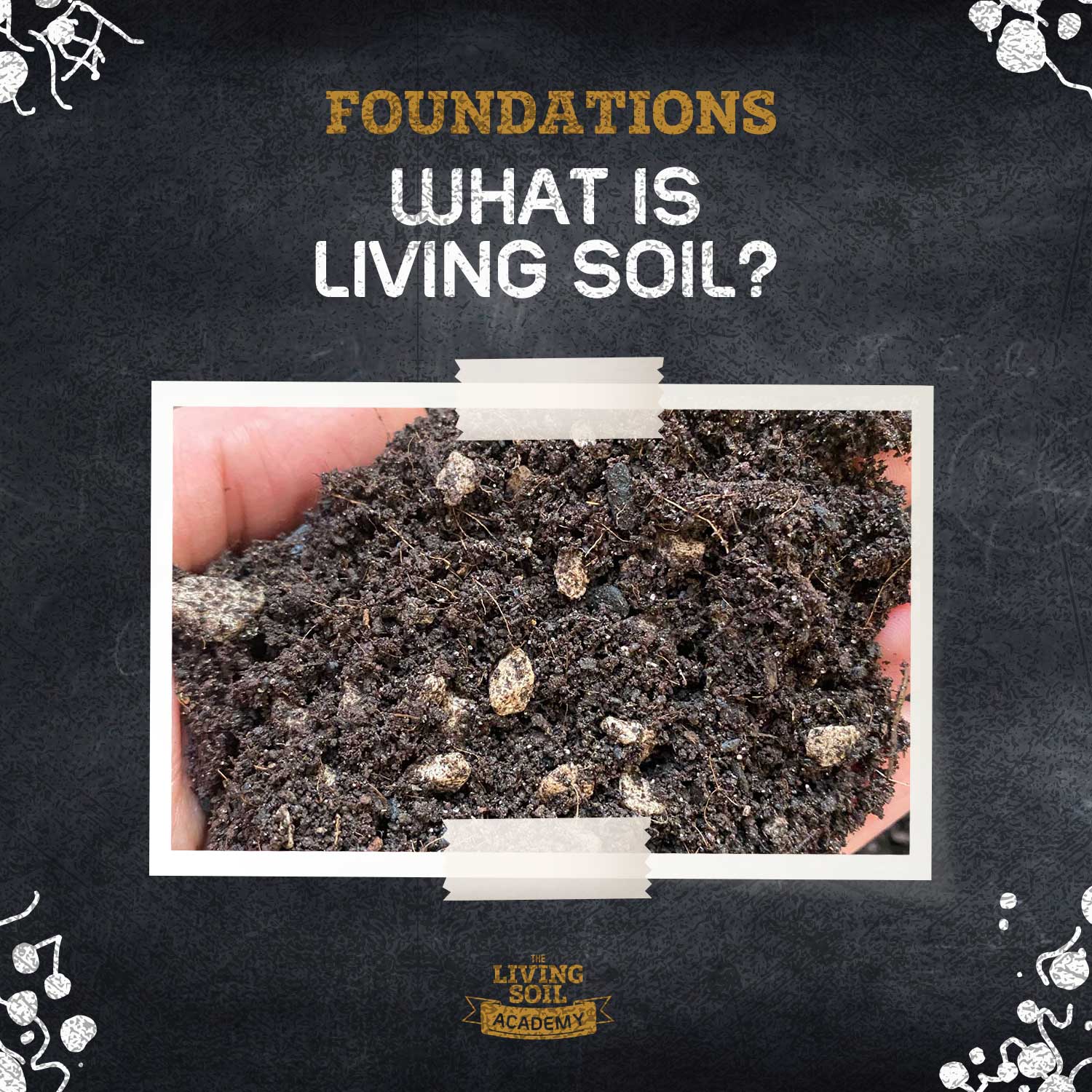
Living soil is primarily a method of growing plants in a biologically active potting soil. In this context, we refer to that potting soil as living soil.
In indoor growing, what we call “soil” is not technically soil. Natural soil forms outdoors as a mix of sand, silt and clay, typically containing 1–6% organic matter. This type of native soil is not suited to container growing.
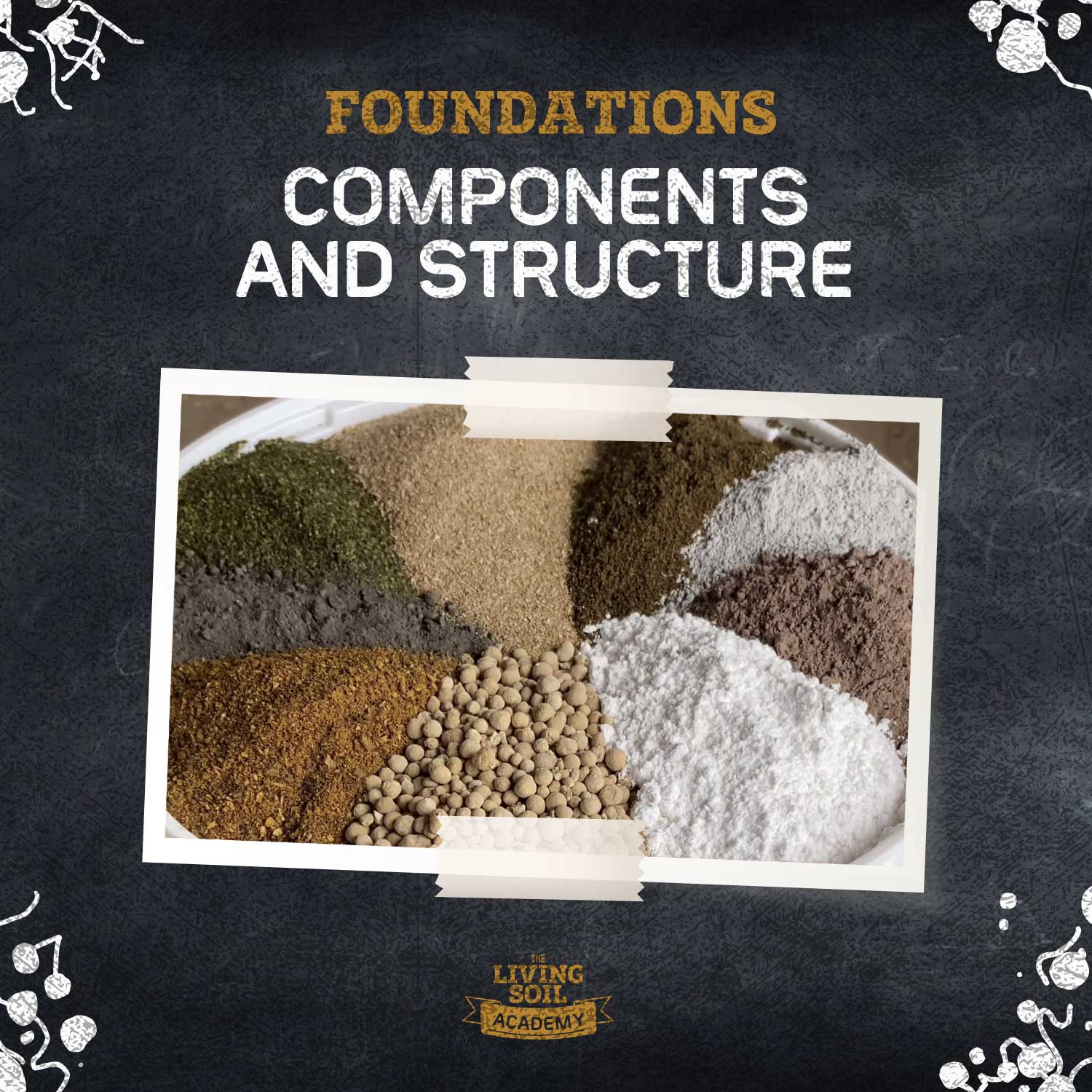
Instead, we use engineered substrates. These are typically made from organic materials such as coco coir or peat, which retain moisture and support root development, combined with coarse materials like pumice or perlite to provide aeration and structure. These blends are often referred to as substrates or growing media.
When these substrates are combined with compost and fertilisers, they are commonly referred to as potting soil. Living soil is a further development of this concept. It uses a higher proportion of compost, alongside mineral inputs and organic amendments, to create a nutrient-dense, biologically active potting mix designed to mimic the function of a highly fertile soil.
Living soil is also structured for longevity, with sufficient aeration to allow it to be reused across multiple growing cycles.
At its core, living soil combines three functional components: a base for moisture retention, a biological component to drive nutrient cycling, and a structural element to maintain aeration.
For example, our Ecothrive Living Soil uses coco as the moisture-retaining base, vermicompost provides the microbial community that breaks down nutrients, and pumice maintains structure and airflow. Each component has a specific role, and adjusting the ratios changes how the system behaves.
This base mix is then blended with mineral inputs and nutritional ingredients to provide long-term, balanced fertility with buffering capacity. Common inputs include calcium sulphate, calcium carbonate, volcanic rock dust, insect frass, alfalfa meal, seaweed meal and bone meal.
The result is a dynamic system that can sustain itself over time, but only when the balance is right. Two mixes can appear similar yet behave very differently. Understanding how inputs interact is essential for achieving consistent results.
Why Consistency Matters
Living soil performs best when the system is stable. When the balance is right, nutrient release aligns with plant demand, moisture levels support active microbial life, and plants grow steadily without the need for constant intervention.
A stable soil foundation reduces variability. Small errors in watering or timing are buffered by the system, allowing growers to focus more on observation and less on correction.
This reliability is a key part of the living soil method. It allows the soil to do the work.
How Soil Ingredients Work
Each component of a living soil system plays a specific role:
Base (peat, coco)
Retains moisture and provides a consistent environment for roots and microbes. Different materials influence how quickly the soil dries and how water moves through the profile.
Biology (worm castings, compost)
Feeds and supports the microbial community. These organisms break down organic inputs, release nutrients, and help plants access minerals naturally.
Structure (pumice, perlite, biochar)
Maintains aeration, improves drainage, and prevents compaction. Oxygen availability is essential for both root health and microbial activity.
Understanding these roles makes it easier to adjust a mix or troubleshoot issues without disrupting the system.
Predictable Soil: Why It Makes Growing Easier
A predictable soil system removes much of the complexity for growers, particularly in indoor environments.
At Ecothrive, we focus on understanding how soil behaves over time. This includes how it retains and releases moisture, and how nutrients become available throughout the growth cycle.
Consistent inputs lead to consistent behaviour. When the soil behaves predictably, biological activity remains stable, nutrient delivery becomes more reliable, and irrigation becomes easier to manage.
This predictability allows growers to work with the system rather than react to it.
Tips for Choosing and Using Living Soil
If you’re new to living soil, simplicity and consistency are key. A few core principles can help avoid common issues:
Start with a tested blend
Using a well-balanced, consistent mix removes much of the variability early on. Ecothrive Living Soil is designed to behave predictably, helping reduce many of the common issues growers encounter when starting out. As your understanding develops, you can begin to experiment with greater confidence.
Understand your base mix
Different materials influence how the soil holds and releases water. Coco-based mixes tend to drain more freely, while peat-based mixes retain moisture for longer. Understanding this helps you manage irrigation more effectively and maintain active biology.
Be mindful with homemade mixes
Adding compost, woody materials or large amounts of biochar can temporarily affect nutrient availability, particularly nitrogen. When building your own mix, observe plant response closely and be prepared to adjust.
Let the plants guide you
Leaf colour, growth rate and soil moisture provide more useful feedback than fixed schedules. Living soil works best when growers observe and respond rather than follow rigid inputs. If clear nutritional issues develop, they may need correcting with a targeted liquid feed or foliar application, particularly where mineralisation cannot respond quickly enough. However, many issues are linked to watering practices or environmental conditions rather than a lack of nutrients.
Match container size to plant stage
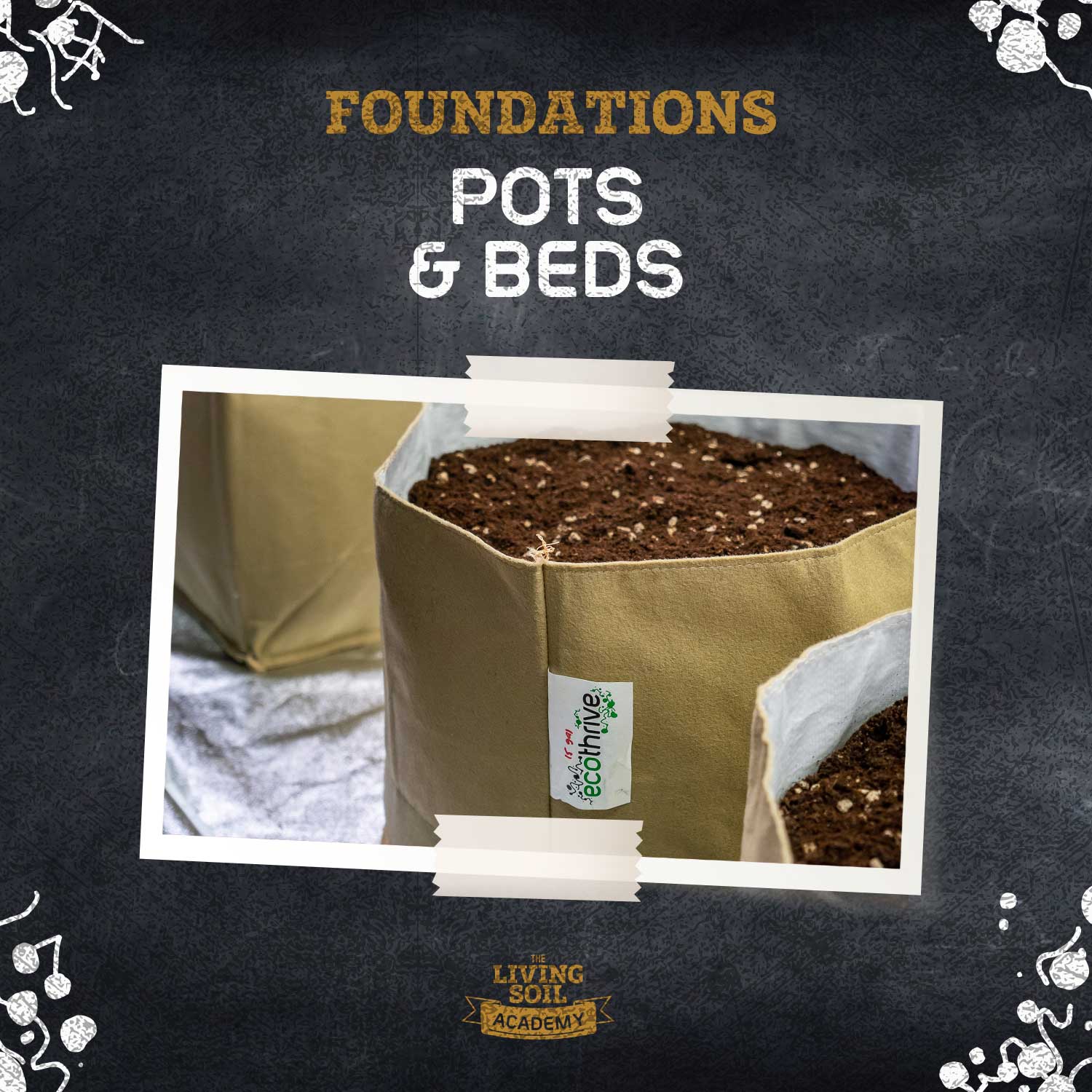
Smaller plants require less soil volume and water, while larger plants depend on greater capacity to maintain stability. Transplanting at the right time helps prevent restriction and supports consistent growth. As a general guideline, watering around 5–10% of container volume per session can help maintain biological activity, though this should always be adjusted based on plant size and soil behaviour.
Practical Takeaways
- Living soil is a system where inputs influence biology, moisture and nutrient availability
- Consistency in the base mix supports predictable performance
- Each component plays a defined role within the system
- Observation is more effective than rigid feeding schedules
- Soil volume and plant stage should be aligned
- Stable conditions allow biology to function effectively over time
Final Thoughts
Living soil is both art and science. When built and maintained correctly, it becomes a self-sustaining system where biology drives plant health and development. The right soil reduces guesswork, buffers small mistakes, and allows the system to function as intended. Whether you’re growing in small pots or large beds, focusing on consistency, active biology and plant observation leads to more reliable and rewarding results.

Leave a comment
This site is protected by hCaptcha and the hCaptcha Privacy Policy and Terms of Service apply.